
Turn Feedback Into a Clearer Customer Experience Strategy
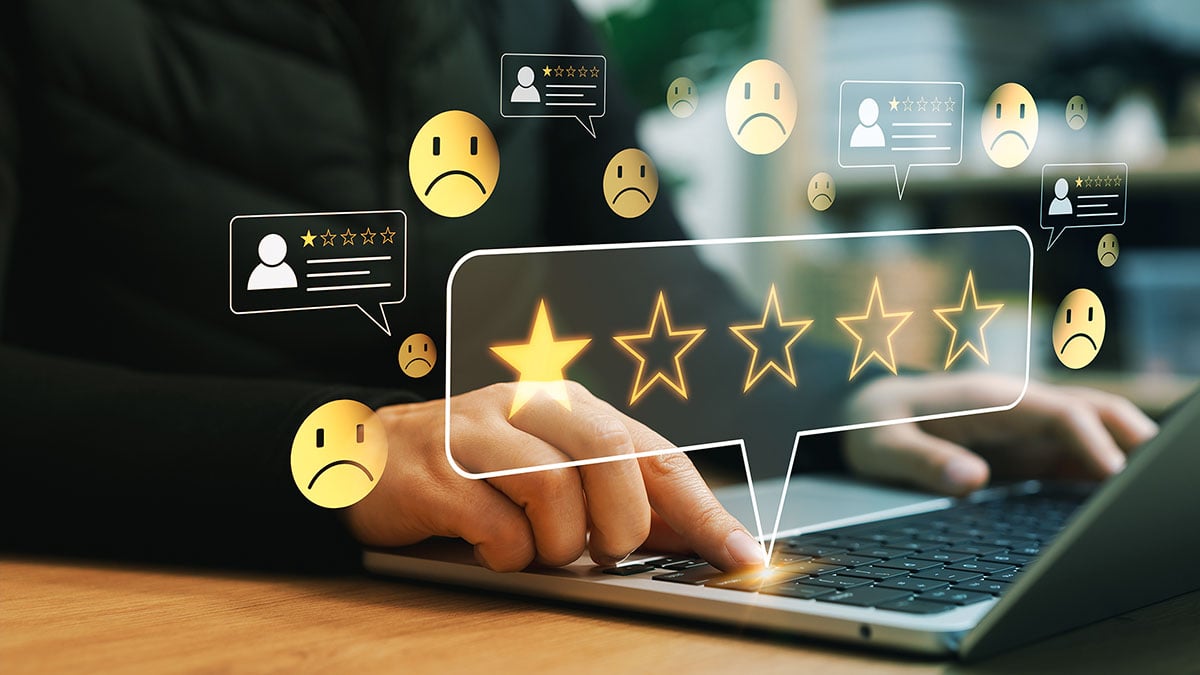
A low satisfaction score can alert us that something is wrong. A comment about slow service, an unhelpful employee, or a confusing process can point us in the right direction. Still, surveys usually show the result of an experience, not every detail that caused it.
That is where broader monitoring helps. Mystery shopping, audits, support evaluations, and employee feedback can reveal whether teams are following expected steps and whether locations are delivering the brand experience consistently.
When we connect these sources, you can answer four important questions:
-
How did the customer feel about the interaction?
-
What happened during the interaction?
-
Is the issue isolated or showing up across locations?
-
Which operational changes are most likely to improve the experience?
This approach supports stronger consistency across locations, channels, and employee teams. It also helps us move beyond guessing when a score starts to slide.
How Customer Experience Monitoring Complements Surveys
Customer experience monitoring gives us an ongoing view of how well locations deliver the standards customers expect. Customers may not mention every detail in a survey, especially if they were focused on one frustrating moment. Direct observation can capture the smaller parts of an experience that add up over time.
For example, monitoring may look at greeting behaviors, product availability, cleanliness, wait times, employee knowledge, policy follow-through, and issue resolution. These are visible parts of the customer experience, even when no one comments on them directly.
Surveys answer a different set of questions. They can help us measure satisfaction, customer effort, loyalty, Net Promoter Score, and open-text sentiment. Yet survey responses can be affected by timing, response rates, and what a customer remembers later.
Monitoring fills that visibility gap. Mystery shops, operational audits, digital experience reviews, and contact center evaluations show what happened at the point of service. If survey feedback suggests customers are unhappy with speed, for instance, monitoring can help determine whether staffing, unclear processes, missed service steps, or technology problems are behind the concern.
Where Surveys and Monitoring Deliver Different Answers
Surveys and monitoring should not be treated as interchangeable. Each one has a job to do, and a clear purpose keeps your program from becoming repetitive or overwhelming.
Customer surveys are best for understanding perception. They show whether customers felt welcomed, respected, heard, and confident in their purchase or service. Open-ended comments can also surface themes that fixed survey questions may miss, including emotional moments that affect loyalty.
Monitoring is better suited to evaluating execution. It can document whether employees followed procedures, whether a location met brand standards, and whether the end-to-end experience worked as intended. This gives us objective evidence, including at locations where customers do not leave feedback.
The two sources become more useful when we compare them. A restaurant group may receive lower survey scores for order accuracy, while mystery shop findings point to inconsistent order read-backs or weak handoff procedures. A retail brand may hear complaints about finding help, while audits show thin employee coverage during busy periods. Together, those findings point to practical actions instead of broad reminders to “improve service.”
Build a Unified Monitoring Program
A useful customer experience monitoring program starts with the outcomes that matter most to your organization. We recommend choosing a focused set of goals, such as reducing customer effort, improving retention, increasing compliance, raising conversion, or strengthening employee engagement.
Before choosing metrics, map the experience from the customer’s point of view. Consider the moments that most influence trust and loyalty, from online research and arrival through service, purchase, issue resolution, and follow-up.
Then decide which moments need customer feedback and which need direct observation. A shared scorecard can bring survey scores, mystery shop results, audit findings, employee feedback, and operational information into one consistent view.
That scorecard should make a clear distinction between perception and execution:
-
Perception metrics show how customers felt.
-
Execution metrics show whether expected behaviors occurred.
-
Location views show where action is needed.
-
Trend views show whether changes are improving results over time.
Reporting should also fit the audience. Executives need enterprise patterns and business implications. Field leaders need regional and location-level priorities. Frontline managers need simple coaching guidance tied to behaviors they can improve during the next shift.
Avoid Data Overload and Act on What Matters
Collecting feedback from many sources only helps when someone owns the next step. Without a process for prioritizing findings, teams can end up reacting to every comment, chasing single scores, or overlooking patterns that deserve attention.
We encourage brands to balance leading and lagging indicators. Leading indicators can include service-step compliance, employee readiness, product availability, and issue-resolution behaviors. Lagging indicators can include satisfaction, loyalty, repeat visits, complaints, and sales performance.
This balance gives you an earlier warning system. If execution measures begin to weaken, leaders can address the problem before customer sentiment falls further.
Root-cause analysis matters here. Instead of treating each low score as a separate event, we look for repeat concerns across locations, customer groups, channels, and stages of the experience. Analytics can help connect survey feedback to inconsistent execution, unclear policies, training gaps, or wider operational constraints.
Closed-loop improvement turns insight into progress. Assign owners, set deadlines, explain expectations, and review whether actions improve both execution and customer perception. High-performing locations should also be recognized, because their practices may provide useful examples for other teams.
Choose the Right Feedback Mix for Lasting Improvement
Customer surveys provide a valuable view of what customers think and feel. Monitoring shows whether the promised experience is being delivered consistently. Use survey results to identify where customers perceive problems, then use monitoring to pinpoint the execution changes most likely to improve the experience.
Turn Insight Into More Consistent Experiences
Our customer experience monitoring solutions help teams connect survey feedback with the operational details behind it. Market Force can help you build a clearer view of performance across every location and touchpoint. Contact us to discuss an approach that supports stronger decisions and measurable improvements.
